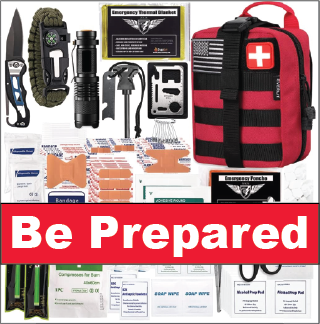



Every household should have a 72-hour emergency kit — a simple, portable setup that keeps you alive, fed, warm, and connected for at least three days. Whether it’s a grid failure, wildfire, winter storm, or sudden evacuation, the first 72 hours are the most critical. During that window, emergency services are overwhelmed, roads may be blocked, and utilities often fail without warning.
A 72-hour kit isn’t complicated. It’s a curated collection of items that ensure you and your family can survive until help arrives or systems stabilize. This guide breaks down everything you need for 2026, updated for modern gear, current threats, and today’s more unpredictable weather conditions.
Why 72 Hours Matters
Three days is the standard preparedness threshold for a few reasons:
- Disaster response teams typically need 48–72 hours to deploy
- Power outages last an average of 8–30 hours depending on severity
- Water contamination events may take days to resolve
- Shelters and supply distribution take time to set up
If you’re ready for three days, you’re far more prepared for anything longer.
The Complete 72-Hour Emergency Kit Checklist
Below is a full, modernized kit designed for home storage, vehicle use, or rapid evacuation.
1. Water and Filtration
Minimum: 1 gallon per person per day
Better: 1.5–2 gallons per person per day
Include:
- Sealed water bottles or jugs
- Water purification tablets
- Compact water filter (Sawyer Mini or similar)
- Collapsible water container (for refills)
Water is always the first system to fail during disasters — build redundancy.

2. Food for 3 Days
Choose foods that:
- require no refrigeration
- have long shelf life
- can be eaten as-is or with minimal heating
Recommended:
- Ready-to-eat cans (soups, beans, vegetables)
- Protein bars
- Peanut butter
- Freeze-dried meals
- Instant rice or pasta cups
- Electrolyte drink packets
Include manual can opener.

3. Power and Lighting
In modern emergencies, power equals safety. Make sure you can run lights, communication gear, and small devices.
Recommended:
- Portable power station (link internally to your solar generator article)
- Hand-crank flashlight
- Solar lantern
- LED headlamps
- Extra batteries
- USB charging cables
Backup lighting reduces panic and helps you navigate safely at night.

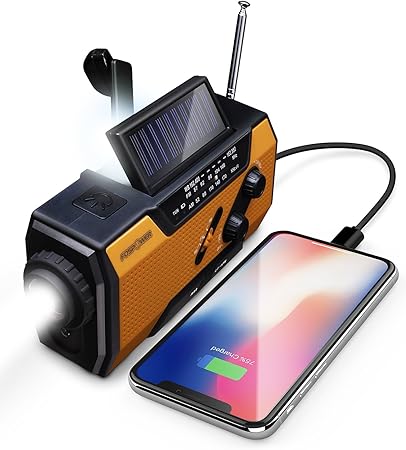
4. Communications
Staying informed is essential during disasters — especially when cell networks fail.
Include:
- Emergency radio (NOAA + AM/FM + hand-crank)
- Backup phone battery
- Whistle
- Emergency contact list written on paper
Radios remain the most reliable way to receive updates when infrastructure goes down.
5. Shelter and Warmth
Even during summer, temperatures can drop quickly during emergencies.
Items to include:
- Space blankets or wool blanket
- Emergency bivy sack
- Lightweight tarp
- Poncho
- Gloves, hat, and socks
- Fire-starting tools (lighter + ferro rod)
If you live in a cold climate, double your warmth layers.

6. First Aid and Medical Needs
A proper kit includes more than adhesive bandages.
Pack:
- Standard first-aid kit
- Trauma dressing
- Antiseptic wipes
- Pain relievers
- Prescription medications (3–7 day supply)
- Allergy medicine
- Medical gloves
If someone in your household uses a CPAP, link internally to your solar generator guide for backup power solutions.

7. Hygiene and Sanitation
A disaster doesn’t pause basic human needs.
Pack:
- Toothbrush and toothpaste
- Soap
- Baby wipes
- Hand sanitizer
- Toilet paper
- Small trash bags
- Quick-dry towel
Hygiene prevents illness during prolonged emergencies.

8. Tools and Practical Gear
You don’t need a full workshop — just basic capability.
Include:
- Multi-tool
- Duct tape
- Paracord
- Folding knife
- Work gloves
- Small pry bar
- Waterproof notebook and pen
Tools give you options when conditions are uncertain.

9. Documents and Cash
During power outages and evacuations, digital access may be limited.
Pack:
- Photocopies of IDs
- Insurance documents
- Medical information
- Emergency phone numbers
- Cash in small bills
Store documents in a waterproof pouch.
10. Personal Items
Every household has unique needs. Consider:
- Infant supplies
- Pet supplies
- Spare eyeglasses
- Extra clothing
- Local maps
- Comfort items for children
Customize your kit based on climate, mobility, and household size.
Where to Store Your 72-Hour Kit
Best locations:
- Near your front door
- In a garage or utility area
- In your vehicle (partial kit)
Avoid deep closets and hard-to-reach storage areas. Accessibility is everything during an emergency.
When to Use a 72-Hour Kit
These kits are essential during:
- Power outages
- Severe winter storms
- Wildfires
- Earthquakes
- Flooding
- Chemical spills
- Evacuations
- Civil unrest
- Grid instability
If something disrupts normal life, your kit becomes your lifeline.
How to Keep Your Kit Updated
Check every 6 months:
- expiration dates
- battery charge levels
- seasonal clothing needs
- medication availability
- weather-specific gear
Think of your kit as a living system — not a one-time project.
Final Thoughts
A 72-hour emergency kit is the foundation of personal preparedness. You don’t need to be a survival expert or homesteader to understand the value of being ready for the unexpected. With power grids becoming less reliable and extreme weather on the rise, this simple three-day kit gives you control during the most vulnerable moments.
Preparedness isn’t fear — it’s responsibility. And building your kit today means you won’t be scrambling tomorrow.