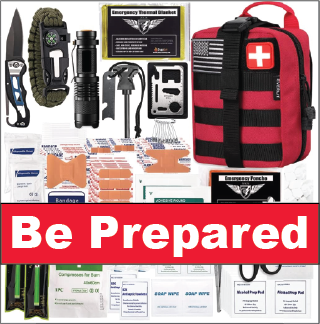



When building an emergency kit, most people think about flashlights, radios, first-aid supplies, and food. But one of the most overlooked essentials is the clothing and insulation you pack — especially your blankets, socks, gloves, and base layers. In a grid-down scenario, staying warm and dry becomes a survival priority, and this is where wool stands far above anything else.
In an era of synthetic everything, wool remains one of the most reliable, natural, high-performance materials ever created. There’s a reason explorers, military units, homesteaders, and off-grid families have depended on it for centuries: wool simply works when nothing else does.
The Survival Advantage of Wool
Synthetic materials like fleece, polyester, and nylon all have their place, but they fall short when exposed to real-world emergencies. Wool excels in every category that matters when the grid goes down.
Here’s why wool belongs in every emergency kit in 2026.
1. Wool Stays Warm Even When Wet
This is the number one reason wool is a survival essential.
Most fabrics become useless the moment they get wet. Cotton loses all insulation. Polyester traps moisture. But wool fibers naturally contain tiny air pockets that continue to provide insulation even when soaked.
During:
- rainstorms
- winter outages
- flood evacuations
- high-humidity conditions
- shelter-in-place events
wool continues to generate warmth. This one property alone saves lives.
2. Wool Is Naturally Fire Resistant
In emergencies, heat sources are often improvised:
- candles
- wood stoves
- propane heaters
- cooking flames
- generators
- campfires
Synthetic fabrics can melt, shrink, or ignite easily. Wool, however, has an exceptionally high ignition point and does not melt onto skin. It chars slowly and self-extinguishes.
This makes wool blankets ideal for:
- indoor emergency heating
- vehicle kits
- survival shelters
- backup winter bedding
Fire resistance isn’t just a bonus — it’s a safety feature.
3. Wool Regulates Temperature Better Than Any Synthetic
Wool fibers adapt to your body’s needs:
- trapping heat when it’s cold
- allowing airflow when it’s warm
- preventing sweating
- maintaining consistent body temperature
This natural “thermostat effect” keeps you comfortable in unpredictable conditions.
During an outage, where temperatures rise and fall quickly, wool’s adaptability can prevent hypothermia or overheating.

4. Wool Is Odor-Resistant and Antimicrobial
If you’re stuck wearing the same clothing for a few days, synthetics quickly develop odor and bacteria buildup. Wool fights this naturally.
That makes wool ideal for:
- evacuation bags
- shelter living
- multi-day outages
- long-term vehicle kits
- hiking or walking evac routes
A single wool base layer can remain wearable far longer than any synthetic equivalent.
5. Wool Blankets Are One of the Best Emergency Investments
Wool blankets belong in:
- 72-hour kits
- vehicle emergency kits
- bug-out bags
- fireplaces and off-grid cabins
- winter storm kits
- grid-down shelter gear
Wool blankets can:
- insulate injured people
- serve as heat reflectors
- act as makeshift stretchers
- provide flooring in cold tents
- replace sleeping bags in emergencies
Their durability and multi-use nature make them one of the most cost-effective survival tools.
6. Wool Is More Sustainable and Eco-Friendly
Unlike petroleum-based clothing, wool is:
- renewable
- biodegradable
- long-lasting
- naturally sourced
For those following a sustainable, off-grid lifestyle, wool aligns naturally with environmentally conscious living.
Synthetic fibers shed microplastics into waterways and soil. Wool does not.
7. Wool Outperforms Synthetics in Real Emergencies
Technical tests are one thing — real situations are another.
Wool performs best in:
- blizzards
- power outages
- vehicle breakdowns
- wilderness rescues
- grid-down events
- flooding evacuations
- wet/cold exposure scenarios
It remains dependable when conditions are unpredictable and harsh.
What Wool Items Should You Add to Your Emergency Kit?
For a complete setup, include:
Wool Blanket
Absolute top priority. It warms even if wet and is fire resistant.
Merino Wool Base Layer
Regulates temperature and resists odor for multi-day wear.
Wool Socks
Prevents frostbite, trench foot, and heat loss through feet.
Wool Beanie
Retains head warmth during outages.
Wool Gloves
Keeps hands functional during cold-weather emergencies.
Wool vs Synthetic: Quick Comparison
| Feature | Wool | Synthetic |
|---|---|---|
| Warm When Wet | Yes | No |
| Fire Resistance | Excellent | Poor |
| Odor Control | Natural | Requires chemicals |
| Durability | High | Variable |
| Sustainability | High | Low |
| Comfort Over Time | High | Moderate |
| Best For Emergencies | Yes | Limited |
Wool wins across every category that matters during disasters.
Conclusion
Wool remains the single most dependable natural material you can pack into an emergency kit. Its ability to stay warm when wet, resist flames, manage temperature, reduce odor, and endure years of use makes it a cornerstone of off-grid and emergency preparedness.
If you’re building or upgrading a 72-hour kit, a bug-out bag, or a winter storm kit, wool should be one of the first materials you prioritize. When the grid fails — and sooner or later it will — wool continues to perform.
Preparedness isn’t just about gear. It’s about choosing equipment that works when everything else stops working. Wool delivers exactly that.