


Let’s be honest.
Most “eco-friendly” products don’t deserve your money. They’re overpriced, over-marketed, and designed to make you feel responsible while changing almost nothing.
But that doesn’t mean all eco products are a waste.
A small number of products actually do what they claim — reduce toxins, reduce waste, and save money over time. The key difference is simple: they replace something disposable or toxic with something durable and boring.
That’s what this list focuses on.
No trends. No hype. Just products that earn their place in your home.
What Makes an Eco Product Worth Buying?
Before we get to the list, here’s the filter:
A product only makes sense if it:
• Replaces disposables
• Lasts for years
• Uses honest materials
• Reduces chemical exposure
• Doesn’t rely on vague marketing
If it fails that test, skip it.
1. Wool Dryer Balls (Replace Dryer Sheets Entirely)
Why they’re worth it:
Dryer sheets are pure convenience waste — single-use, chemically scented, and unnecessary.
Wool dryer balls:
• Last for years
• Reduce drying time
• Eliminate fragrance chemicals
• Create zero ongoing waste
This is one of the easiest eco swaps that actually saves money.

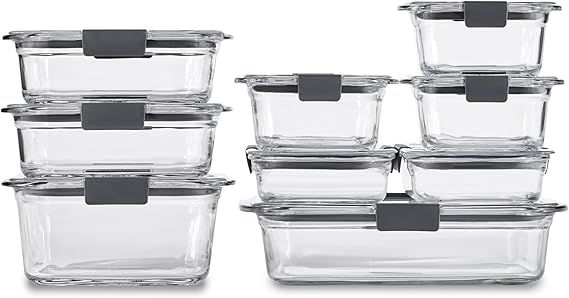
2. Stainless Steel or Glass Food Storage (Replace Plastic)
Why they’re worth it:
Plastic food storage degrades, stains, absorbs odors, and leaches chemicals over time.
Glass and stainless steel:
• Don’t absorb food residue
• Don’t degrade with heat
• Last decades
• Reduce plastic exposure
This isn’t an upgrade — it’s a correction.
3. Castile Soap (One Product, Dozens of Uses)
Why it’s worth it:
Most households use multiple cleaners that do the same job.
Castile soap can replace:
• Hand soap
• Dish soap
• All-purpose cleaner
• Floor cleaner
Fewer products. Fewer bottles. Fewer chemicals.

4. Refillable Cleaning Concentrates (Not Pre-Diluted Bottles)
Why they’re worth it:
Shipping water in plastic bottles is one of the dumbest parts of modern cleaning products.
Concentrates:
• Reduce plastic waste
• Lower shipping impact
• Take up less storage
• Actually save money
The key is choosing brands that disclose ingredients and avoid fragrance tricks.

5. Solid Dish Soap or Dish Soap Bars
Why they’re worth it:
Liquid dish soap is mostly water, plastic, and fragrance.
Solid dish soap:
• Uses less packaging
• Lasts longer
• Reduces plastic waste
• Works just as well
It’s a small change with real impact.

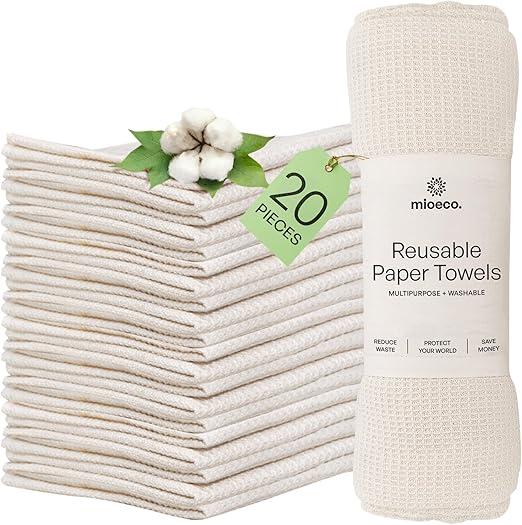
6. Natural Fiber Cleaning Cloths (Ditch Paper Towels)
Why they’re worth it:
Paper towels are constant, invisible waste.
Reusable cotton or linen cloths:
• Last years
• Clean better
• Reduce landfill waste
• Save money long-term
This is sustainability at its most boring — and most effective.
7. Stainless Steel Safety Razor (Replace Disposable Razors)
Why it’s worth it:
Disposable razors are expensive and landfill-bound.
Safety razors:
• Last a lifetime
• Use cheap, recyclable blades
• Produce almost no waste
One of the best long-term swaps you can make.

8. Rechargeable Batteries (For Everything)
Why they’re worth it:
Single-use batteries are toxic waste by design.
Rechargeable batteries:
• Reduce landfill toxins
• Save money quickly
• Work better in high-drain devices
If you use batteries at all, this is a no-brainer.

What I Intentionally Don’t Recommend
Notice what’s missing:
• Trendy eco gadgets
• Subscription boxes
• Fashion-based sustainability
• “Smart” eco devices
If a product exists to be replaced next year, it’s not sustainable — no matter how green the branding.
How to Buy Eco Products Without Getting Played
Before buying anything labeled eco-friendly, ask:
- What does this replace?
- How long will it last?
- Is the material honest and disclosed?
- Does it reduce future purchases?
If the answer isn’t clear, walk away.
Final Thoughts
Eco-living doesn’t mean buying more things.
But when you do buy something, it should earn its place — financially, environmentally, and practically.
These products do.
Everything else is noise.