



Disposables are everywhere. Parties, picnics, barbecues, office meetings—paper plates still dominate because they’re cheap, lightweight, and incredibly convenient. But convenience comes with a cost. Traditional paper plates are often coated in plastics or wax, making them difficult or impossible to compost. Many end up in landfills where they contribute to long-term waste, and some even contain dyes or chemical treatments you’d never knowingly put near your food.
Fortunately, there’s a better solution: compostable paper plate alternatives. These eco-friendly options are made from renewable materials, break down naturally, and help reduce your environmental footprint without sacrificing convenience. This article explores why compostable alternatives matter, what they’re made of, and why consumers are shifting away from conventional paper products.
Why Traditional Paper Plates Aren’t as “Paper” as They Seem
A surprising number of paper plates contain a thin plastic lining—typically polyethylene—to prevent liquids from soaking through. This coating keeps the plate rigid, but it also prevents the product from being composted or recycled. When thrown away, these plates sit in landfills for years, adding to the already massive waste stream of single-use products.
Even plain-looking plates can include:
- Bleaches and whitening agents
- Chemical binders
- Synthetic dyes
- Waterproof coatings
In short: many “paper” plates are more plastic than paper.
The Rise of Compostable Alternatives
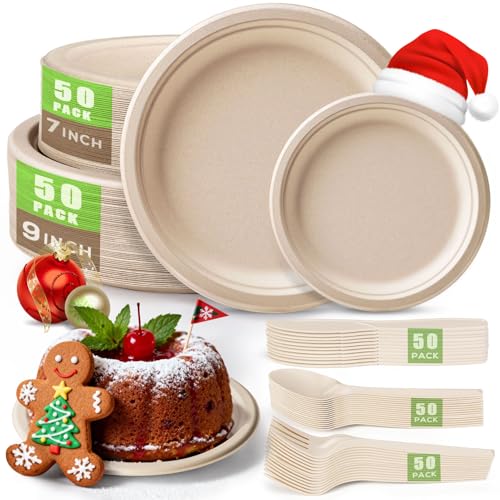
Compostable paper plate alternatives offer a practical solution that aligns with modern environmental values. These products are made from materials that naturally decompose and return to the earth without leaving behind harmful residues.
Common compostable materials include:
- Bamboo fiber
- Sugarcane bagasse (a byproduct of sugar production)
- Palm leaf
- Wheat straw fiber
- Uncoated recycled paper
These materials break down faster, require less energy to produce, and utilize agricultural waste that would otherwise be discarded.
Environmental Benefits That Actually Matter
Choosing compostable alternatives isn’t just a symbolic gesture. It’s a measurable improvement in environmental impact.
1. Reduced landfill waste
Since compostable plates break down naturally, they lighten the load on landfills and reduce long-term pollution.
2. Lower carbon footprint
Many compostable materials come from agricultural byproducts, meaning no additional trees are cut down and fewer resources are used in manufacturing.
3. No harmful chemicals
Compostable options typically avoid plastic coatings, synthetic dyes, and toxic binders. This makes them safer for you and safer for soil health when composted properly.
4. Circular waste system
When composted, these materials become nutrient-rich organic matter that can support gardens, farms, and soil ecosystems—a true full-circle lifecycle.
But Are They Durable? Surprisingly, Yes.
One of the biggest misconceptions is that compostable plates are flimsy or fall apart under hot or wet foods. Modern products have improved dramatically and many compostable materials outperform traditional paper plates.
Bagasse and bamboo plates, in particular, handle:
- Hot foods
- Thick sauces
- Heavy meals
- Long outdoor events
They hold up well without plastic coatings, proving that sustainability doesn’t have to sacrifice functionality.
Cost: Are Compostable Plates Really More Expensive?
Compostable alternatives can cost more upfront, but the gap is closing as more companies adopt sustainable production methods. For many households and event planners, the difference is minor—especially when balanced against environmental benefits.
Besides, the true cost of disposability isn’t at the register. It’s in the landfill space, pollution, and resource depletion traditional plates contribute to. Compostable options simply move those costs out of the environment and into a responsible disposal cycle.
How to Dispose of Compostable Plates Properly
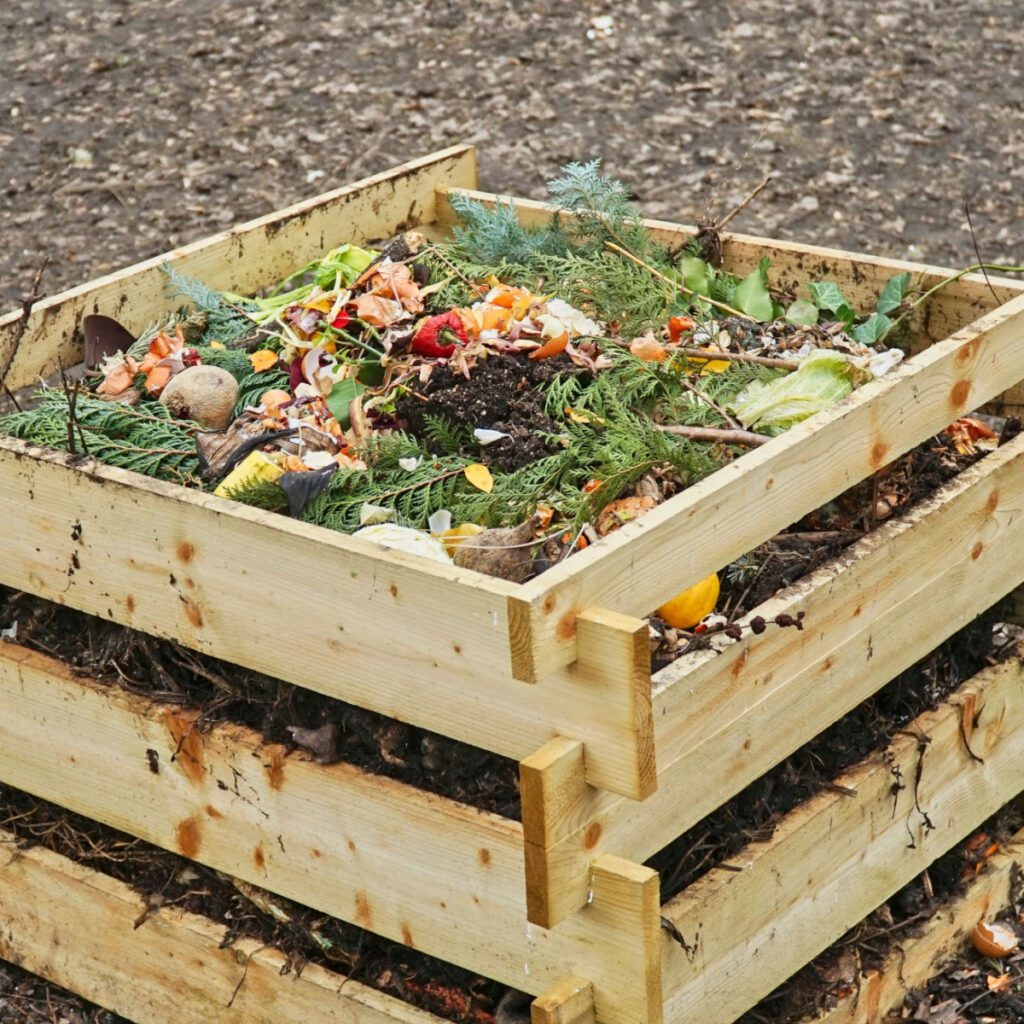
Not all compostable plates break down the same way. Some can be placed in a backyard compost bin, while others require the higher heat of industrial facilities.
Backyard compostable materials:
- Palm leaf
- Uncoated paper
- Certain bamboo products
Commercial composting often required:
- Bagasse
- Larger molded fiber plates
Always check labels and local composting rules. Even if commercial composting is required, choosing compostable products still prevents plastic-lined plates from clogging landfills.
Making the Switch: Small Change, Big Impact
Compostable paper plate alternatives offer a simple, accessible way to make daily life more sustainable. Whether you’re hosting a backyard event, planning a family reunion, stocking a break room, or prepping supplies for an emergency kit, switching to compostable options is a meaningful step toward reducing waste.
It’s not a complicated lifestyle overhaul—just a smarter buying choice.