


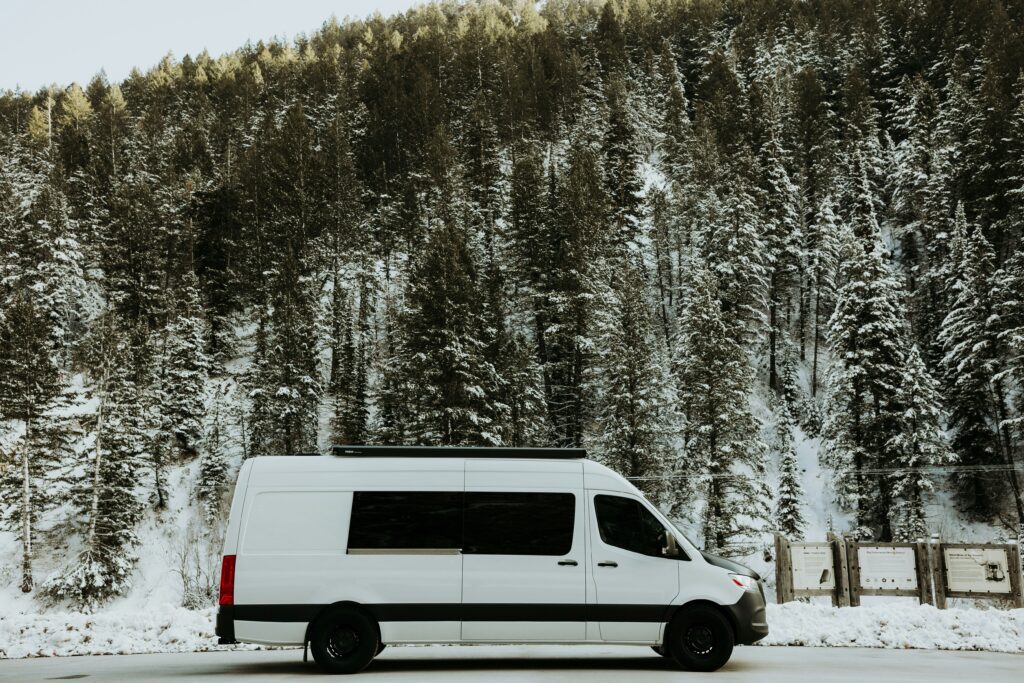
Van life in summer feels like freedom. But come winter, every flaw in your setup — leaks, poor insulation, weak power — becomes a liability. Whether you’re chasing mountain snow or surviving urban stealth, winter off-grid living in a van requires real planning, not just optimism.
This guide covers the critical systems, upgrades, and mindset that separate seasoned nomads from frostbitten amateurs.
1. Insulate Your Van Like a Cabin
If your insulation is weak, winter exposes it fast. Rigid foam panels beat fiberglass for moisture resistance, and Thinsulate behind your walls adds serious R-value. Don’t forget doors, wheel wells, and the floor — these are heat leaks most van builds ignore.
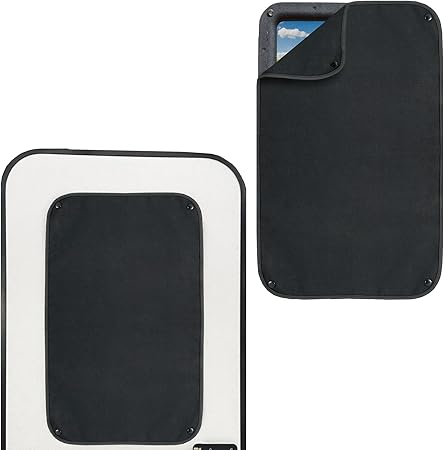
Use thermal window covers or Reflectix inserts at night to reduce radiant heat loss.
2. Add Reliable Heat — Safely
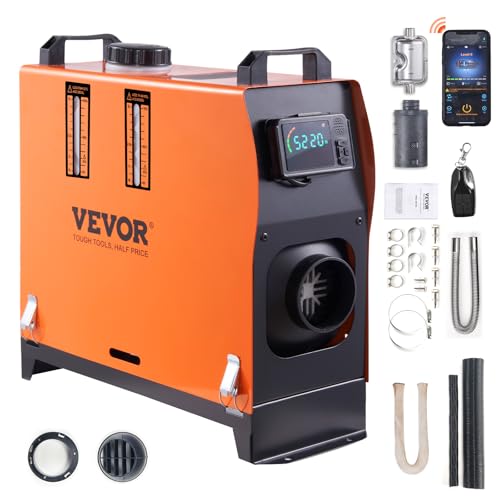
There’s no romance in freezing through the night. Portable propane heaters like the Mr. Buddy are common, but they need proper ventilation and a carbon monoxide detector. Diesel heaters are a longer-term fix: efficient, consistent, and perfect for full-timers.
For off-grid sustainability, consider a compact wood stove if your van build can handle it.
3. Protect Your Water System
Freezing water lines can ruin your day. Keep your tank inside, or wrap it in heating cable. Carry a second collapsible jug in case your main line freezes. Always know how to drain your lines before the night hits sub-zero.
4. Manage Condensation
Condensation isn’t just annoying — it breeds mold. Crack a vent, run your fan, and use a portable dehumidifier when parked. Wipe down window seals and corners regularly. Remember, breathing in a closed van adds liters of moisture every night.
5. Power Up for Short Days
Solar production in winter is weak. Tilt panels toward the low sun and clean them often. Have a shore power option or a plug-in charger for emergencies. Lithium batteries lose performance in cold temps — use an insulated battery box or preheat wrap.
6. Keep Gear Organized and Dry
Wet clothes equal misery. Keep a designated “wet zone” near the door and use waterproof bins for boots and jackets. A small 12V fan can help dry out gear between drives.
7. Prep Your Kitchen for Winter Meals
Cook hearty one-pot meals that use minimal fuel and create warmth. Insulated coolers can double as a pseudo-fridge if overnight temps stay low. Keep a backup propane or butane stove and test your cookware in cold weather — cheap gear fails fast.

8. Emergency & Safety Gear
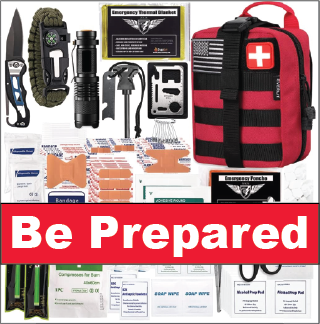
Never assume help is nearby. Keep an emergency kit with tire chains, a shovel, sand, a first-aid kit, and a jump starter. A portable power bank and hand warmers can make the difference between discomfort and danger.
9. Stay Hydrated and Healthy
It’s easy to forget to drink water in cold weather — dehydration zaps your energy and immune system. Keep warm tea or broth ready and stay active daily. Don’t underestimate your physical limits in freezing conditions.
10. Mental Survival
Cabin fever’s real in a van. Keep your space tidy, plan routes based on daylight hours, and have a backup plan for when systems fail. Wi-Fi cafes and showers at gyms or rec centers are more than comfort — they keep you sane through winter’s grind.
Conclusion
Van life doesn’t have to stop when temperatures drop — but your systems need to step up. Insulate, heat, and plan like your next move depends on it, because in winter, it does.

If you buy through links on this page, we may earn a small commission. It helps ecolivable.com keep producing independent, no-greenwash guides for real-world sustainable living.