


In a world where a single viral video can spark nationwide protests, being caught in the wrong place at the wrong time is easier than ever. In recent years, we’ve seen demonstrations turn unpredictable in minutes — one moment peaceful advocacy, the next a wave of confusion and confrontation.
While civic engagement is a critical part of democracy, growing tensions, misinformation, and economic strain have made public gatherings more volatile. As we step into 2026, knowing how to navigate these situations safely isn’t just smart — it’s survival readiness.
This article isn’t about politics or taking sides. It’s about personal preparedness — protecting your family, your freedom of movement, and your peace of mind. Whether you’re commuting, traveling, or simply running errands downtown, you can take steps today to avoid unnecessary danger.
Why You Should Prepare for Unrest in Everyday Life
Emergency preparedness isn’t just about earthquakes, storms, or power outages anymore. The truth is, civil disruption has become one of the most unpredictable emergencies of the modern era.
Protests can erupt due to everything from labor disputes to environmental policies or social justice movements. Most begin with good intentions, but a peaceful demonstration can shift fast when emotions rise, counter-protests form, or law enforcement intervenes.
The key is situational awareness — seeing early warning signs and making calm, calculated decisions before chaos unfolds.

Top Five Ways to Keep Yourself and Your Family Safe
1. Stay Informed, Not Immersed
Before heading anywhere, check both local news and trusted real-time resources like traffic alerts, public safety apps, and official city channels. Social media can provide early hints of large gatherings — but treat it with caution.
Try tools like Citizen, PulsePoint, or Nextdoor for local updates without the echo chamber effect. If multiple sources mention road closures, demonstrations, or “community actions,” take an alternate route even if it adds time.
Preparedness Hack: Set emergency alerts on your phone for your local emergency management department — many send texts when large-scale events or incidents are unfolding nearby.
2. Learn to Recognize Gathering Signs Early
Crowds form fast. A dozen people with signs can become hundreds within an hour. Familiarize yourself with common pre-protest signs:
- Increased police or media presence in one area
- Noise from megaphones or chanting
- A parade of matching vehicles or flashing hazard lights
- Piles of water bottles, backpacks, or barricade materials near intersections
If you spot these indicators, don’t wait — reroute immediately. If you’re on foot, walk calmly away from the source, avoiding running or shouting, as that can trigger panic.
3. Build a “Peaceful Exit” Plan in Advance
Just like you would have an escape plan for a house fire, establish an urban escape plan with your family.
- Know alternate routes home — both main roads and side streets.
- Keep your gas tank above half at all times.
- Have an offline map app (such as Organic Maps or Maps.me) in case networks go down.
- Memorize your emergency contact list — don’t rely solely on your phone.
If unrest erupts while you’re in a vehicle, stay calm and avoid confrontational behavior. Never drive into a crowd. Instead, reverse carefully or take a side street. Your goal is to de-escalate and disengage, not to prove a point.
4. Keep a “Quiet Readiness” Bag
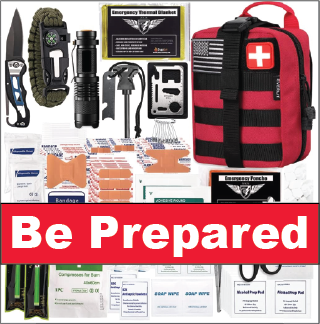
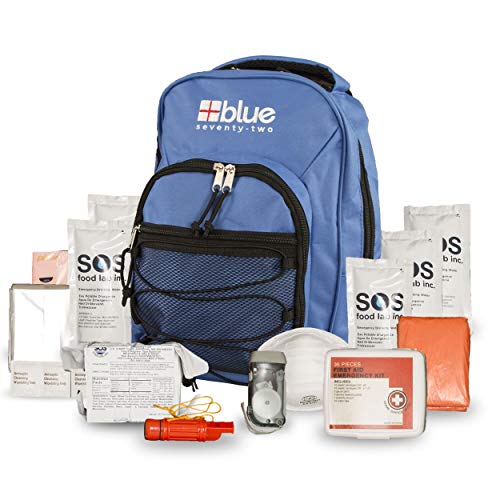
Every family should maintain a 72-hour bag — but tailor one for civil emergencies. In addition to standard preparedness items like water, first aid, and energy bars, include:
- A small, low-profile first aid kit for cuts or burns
- Protective eyewear (in case of debris or irritants in the air)
- A lightweight respirator mask (N95 or better)
- Backup chargers and a power bank
- A printed contact list and map of your local area
Keep it neutral — no camo, no tactical branding. Blending in is safer than standing out.
5. Establish a Family Communication Code
When emotions run high, coordination is everything. Set up a simple two-word code systemfor emergencies:
- “BLUE SKY” means: I’m safe, checking in.
- “RED WIND” means: Get home now, no questions asked.
Everyone should know what each phrase means without panicking outsiders if overheard or seen via text.
And don’t forget a designated safe meetup point outside your normal neighborhood (like a friend’s house or a café across town). If cell service fails, handwritten notes or a car window message could be your fallback communication.
The New Age of Preparedness
Preparedness once meant flashlight batteries and canned beans. Today, it means digital awareness, calm decision-making, and emotional control amid confusion.
We live in an interconnected, reactive world — but with a bit of foresight, we can avoid unnecessary confrontation and keep our families safe while others get swept up by circumstance.
Staying alert isn’t paranoia — it’s resilience. It’s the difference between being swept along by chaos and staying steady while others panic.
Final Thought
You can’t control what happens in the streets — but you can control your response to it. Teach your family that safety doesn’t come from fear, but from awareness and readiness. The better prepared you are, the freer you become.
As the saying goes, “It’s better to have a plan and not need it than to need a plan and not have it.”
In 2026, that’s more relevant than ever.