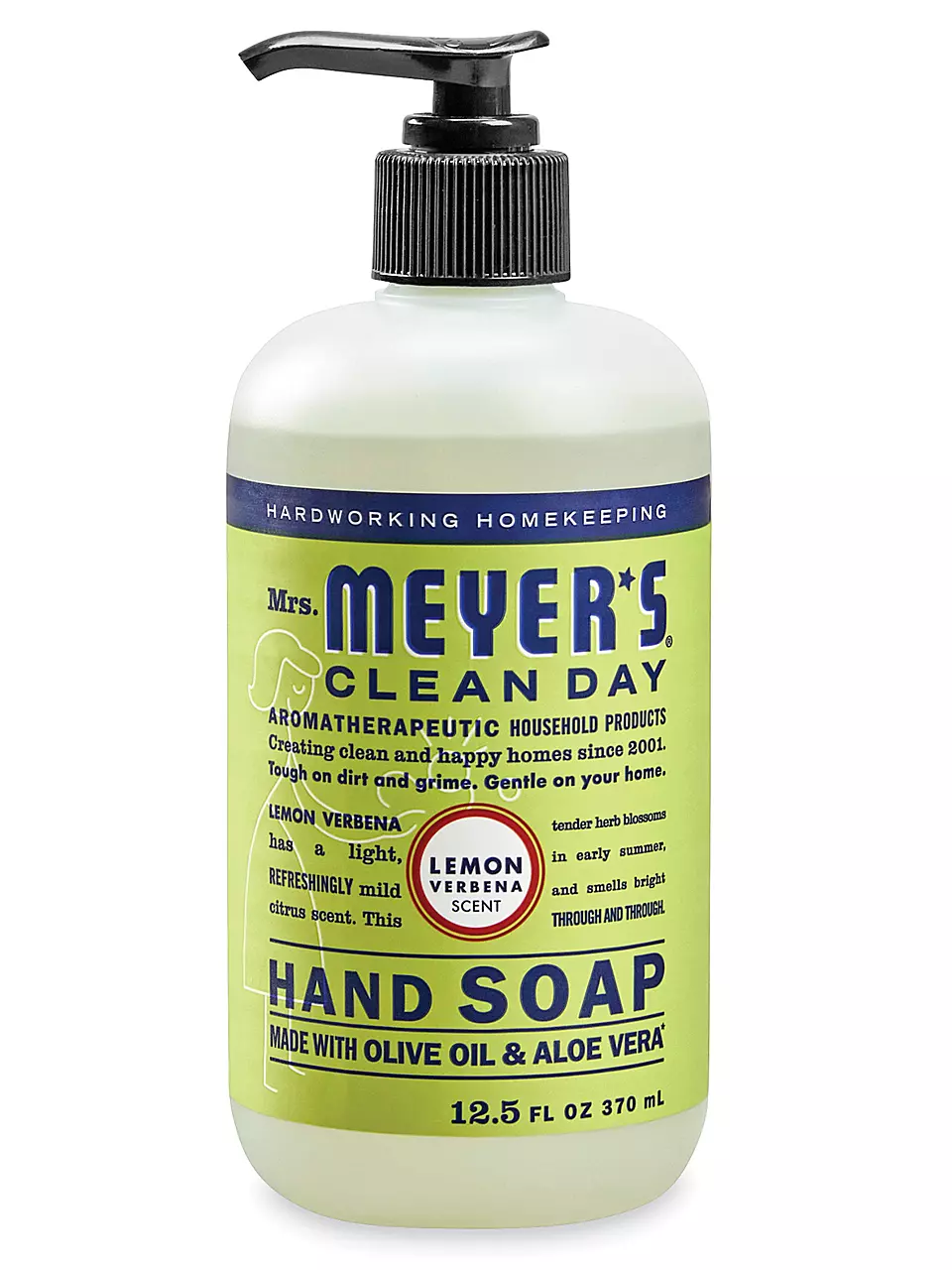
I used to believe the labels.
If it said “eco-friendly,” “green,” “natural,” or had a leaf slapped on the packaging, I assumed it was better — for my home, my health, and the planet.
Turns out, that assumption was wrong.
After years of paying more for products that promised sustainability while delivering the same chemicals, the same waste, and the same corporate nonsense, I stopped buying “eco-friendly” products from big box stores altogether.
This wasn’t some dramatic lifestyle shift. It was a slow realization that the modern sustainability industry has a serious problem: greenwashing has replaced actual environmental responsibility.
And once you see it, you can’t unsee it.
The Big Lie Behind “Eco-Friendly” Labels
Here’s something most people don’t realize:
In the United States, the term “eco-friendly” is largely unregulated.
That means companies can use it without proving anything meaningful.
A product can still contain:
• Synthetic fragrances
• Petroleum-based ingredients
• Plastic packaging
• Overseas manufacturing
• Chemical preservatives
…and still be marketed as “green.”
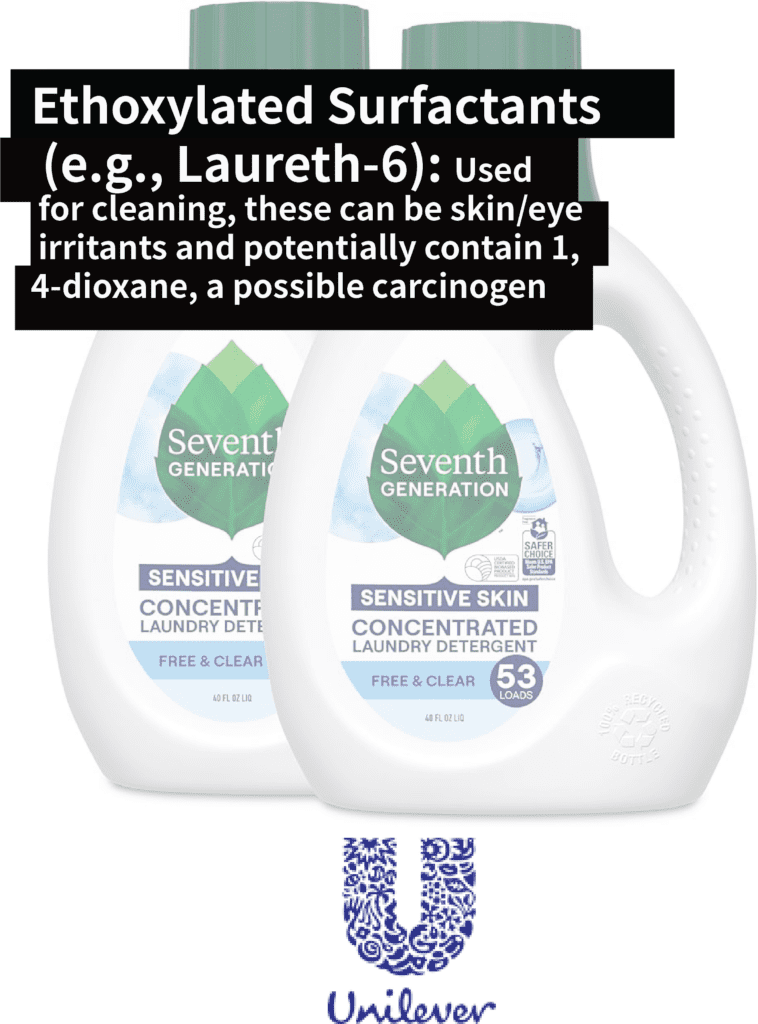
Big box stores know this. Brands know this. And they rely on consumers not digging deeper.
What you’re really paying for isn’t sustainability — it’s marketing.
Greenwashing Works Because It’s Convenient
Big box eco-products succeed for one reason: convenience.
They allow people to feel environmentally responsible without changing habits, questioning supply chains, or thinking too hard about what’s actually inside the bottle.
Grab the “green” version. Pay a little more. Feel good. Move on.
But convenience is rarely sustainable.
True eco-living is uncomfortable at first. It forces you to confront consumption, waste, and dependency — things corporations would rather you not question.
“Non-Toxic” Doesn’t Mean What You Think It Means
One of the biggest wake-up calls for me was realizing how misleading “non-toxic” claims can be.
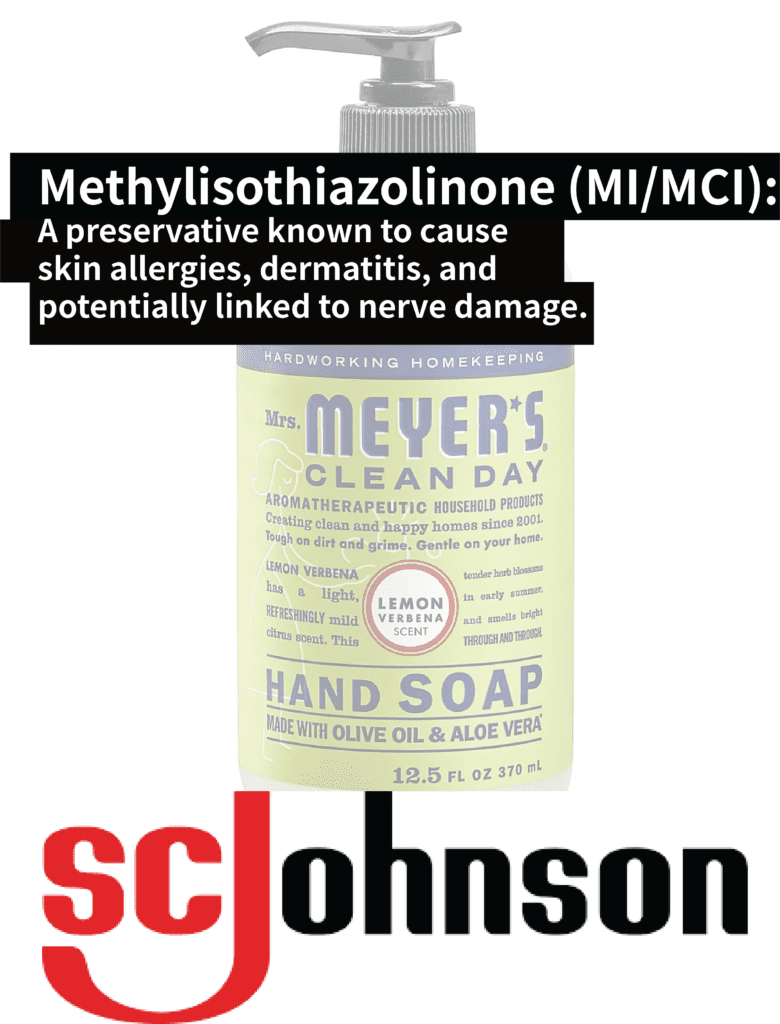
Many household products labeled non-toxic still contain:
• Endocrine disruptors
• Volatile organic compounds (VOCs)
• Skin irritants
• Respiratory triggers
They’re simply present in amounts deemed “acceptable” for short-term exposure.
That’s not the same as safe.
And it’s definitely not the same as sustainable.
The Sustainability Industry Became a Luxury Brand
Somewhere along the way, eco-living got hijacked.
What started as a movement rooted in simplicity, self-reliance, and local solutions turned into a premium lifestyle category with higher price tags and prettier packaging.
Now sustainability is marketed as:
• A subscription
• A brand identity
• A curated aesthetic
Instead of a practical way of living.
If eco-living only works for people with disposable income, it’s not sustainable — it’s exclusionary.
Why Big Box Stores Can’t Be Truly Sustainable
This is the part that makes people uncomfortable.
Big box stores are built on:
• Mass production
• Global supply chains
• Cheap labor
• High turnover
• Planned obsolescence
You cannot bolt sustainability onto that model and call it a day.
Even if one product is “better,” the system itself is designed to extract, manufacture, ship, and discard at scale.
That doesn’t mean every product sold there is evil. It means the model itself is incompatible with genuine environmental responsibility.
What I Buy Instead (And Why It’s Better)
When I stopped buying eco-friendly products from big box stores, I didn’t stop buying things entirely. I changed how I buy.
Here’s what replaced them.
1. Fewer Products, Higher Quality
Owning less but choosing items that last longer reduces waste more than any green label ever could.
2. Local and Regional Producers
Local soap makers, cleaners, woodworkers, and refill shops don’t need green marketing — their transparency speaks for itself.
3. DIY When It Makes Sense
Simple household cleaners, repairs, and maintenance are often cheaper, safer, and more sustainable when done yourself.
4. Honest Materials Over Buzzwords
I now prioritize materials like wool, cotton, glass, metal, and wood — not because they’re trendy, but because they’re proven.
Sustainable Living Is About Control, Not Consumption
The biggest shift wasn’t what I bought — it was who I relied on.
Sustainable living isn’t about finding the perfect product. It’s about reducing dependency on systems that don’t align with your values.
That includes:
• Knowing what’s in your home
• Understanding where things come from
• Being able to fix, reuse, or adapt
It’s not flashy. It doesn’t photograph well. But it works.
The Truth Nobody Wants to Say Out Loud
Here it is:
Most people don’t need better eco-products.
They need less consumption and more awareness.
That message doesn’t sell well in stores.
But it leads to:
• Lower costs
• Fewer toxins
• Less waste
• More resilience
And ironically, a much smaller environmental footprint.
Why This Matters More Than Ever
As supply chains strain, prices rise, and trust in large corporations continues to erode, the illusion of eco-friendly convenience is cracking.
People are starting to ask harder questions.
Eco-living isn’t about perfection. It’s about intentional choices that reduce harm and increase independence.
Big box stores can’t teach that.
But you can learn it — and live it — one decision at a time.
Final Thought
If you’ve ever felt frustrated by “eco-friendly” products that didn’t live up to the hype, you’re not alone.
The problem isn’t you.
The problem is an industry that learned how to sell sustainability without practicing it.
And once you stop buying the story, you’re free to build something better.