

Emergency preparedness used to mean stocking up on canned food, bottled water, and a flashlight with spare batteries. In 2026, that picture has changed dramatically. Today, one of the most important parts of being truly prepared is personal energy independence: having your own reliable, portable, and sustainable power sources when the grid goes down.
From prolonged blackouts to extreme weather and infrastructure failures, more families are discovering that energy resilience is no longer a luxury—it is a necessity. This shift is especially relevant for eco-conscious households that want to be both prepared and sustainable. Instead of gas-guzzling generators and disposable batteries, people are turning to solar chargers, compact battery systems, and low-power devices that keep them connected, safe, and informed when it matters most.
Why Energy Security Is Now an Essential Part of Preparedness
For many communities, the question is no longer if the power will go out, but when and for how long. A combination of climate change, aging infrastructure, and growing energy demand has made grid instability more common and more disruptive.
Several factors are driving this new focus on household energy security:
- More frequent extreme weather events
Heatwaves, polar cold snaps, wildfires, and intense storms can all overload or damage power systems. Even a short storm can trigger cascading failures that leave neighborhoods in the dark for days. - Aging and stressed infrastructure
Many power grids were built decades ago for a different climate, population, and demand pattern. As usage increases—especially with EVs and electrified heating—systems are under mounting strain. - Cyber and physical threats
Critical infrastructure, including power grids, is an appealing target for cyberattacks and sabotage. A successful attack can cause sudden, widespread outages with little warning. - Medical and digital dependence
Homes now rely on powered devices for everything from insulin refrigeration to oxygen concentrators, home office equipment, and internet access. Losing power can quickly become more than just an inconvenience.
In this context, personal energy independence is not about going fully off-grid; it is about having enough backup power to safely ride out disruptions, maintain essential functions, and protect your family’s health and communication.
What Is Personal Energy Independence?
Personal energy independence means that, at least for critical needs, you are not completely dependent on a functioning power grid. Instead, you have your own tools and systems that let you generate, store, and use electricity during emergencies.
This often includes a blend of:
- Small-scale solar (foldable panels, balcony panels, or compact rooftop kits)
- Portable power stations or battery banks
- High-efficiency, low-power devices (LED lights, radios, fans, etc.)
- Smart usage habits that stretch every watt as far as possible
The goal is not to run your entire house as if nothing happened, but to cover the essentials:
- Phones and communication devices
- Medical and life-supporting equipment
- Critical refrigeration (food, medicines)
- Basic lighting and safety
- Limited heating or cooling support where possible

Key Components of a Modern Emergency Energy Kit
To build an emergency kit that reflects current realities, it helps to think in terms of categories: generation, storage, consumption, and information.
1. Power Generation: Small but Mighty Solar
Portable and modular solar has rapidly become the backbone of personal energy resilience. Unlike fuel-based generators, solar:
- Does not require fuel deliveries or storage
- Produces no fumes, noise, or local air pollution
- Scales from a single panel and power bank to a small home setup
- Aligns with low-carbon and sustainable living goals
Practical solar options for preparedness include:
- Foldable solar chargers for phones, radios, and small power banks
- Compact solar panels paired with a portable power station to run lights, small appliances, and essential electronics
- Plug-and-play balcony or patio systems (where local regulations allow) that can contribute to everyday use and serve as backup during outages
For most households, starting with a 50–200 watt portable panel and a compatible battery is enough to dramatically improve resilience for short to medium-length outages.
2. Energy Storage: Battery Banks and Portable Power Stations
Solar is only useful if you can store what you generate. Modern lithium-based batteries have transformed home preparedness:
- Power banks: Ideal for charging phones, flashlights, and small devices. Keep several, pre-charged and stored in different areas of the home and in go-bags.
- Portable power stations: Larger units that can power laptops, routers, CPAP machines, small fridges, and more, depending on capacity. Many accept direct solar input, making them a clean, quiet alternative to gas generators.
- Rechargeable AA/AAA batteries with a solar or USB charger: Perfect for flashlights, headlamps, radios, and small electronics.
When building your energy storage plan, think in layers:
- Everyday use (small power banks you use and recharge regularly)
- Short outages (a mid-sized portable station for a day or two)
- Longer disruptions (solar-compatible station paired with panels)
Low-Power Devices: Stretching Every Watt
Preparedness is not only about how much power you have but how efficiently you use it. The more you reduce your energy demand, the longer your batteries will last.
Focus on:
- LED lighting
Replace older flashlights or lanterns with efficient LED options that can run for many hours on a single charge or set of batteries. Headlamps are especially useful for hands-free tasks. - Efficient communications
A small, low-power emergency radio and a power-sipping smartphone can keep you informed with minimal energy use. Turning phones to low-power mode and using text over video helps extend battery life. - Targeted heating and cooling
While running a full HVAC system off backup power is unrealistic for most, simple items like emergency blankets, layered clothing, battery-powered fans, and draft stoppers can significantly improve comfort and safety. - Efficient cooking options
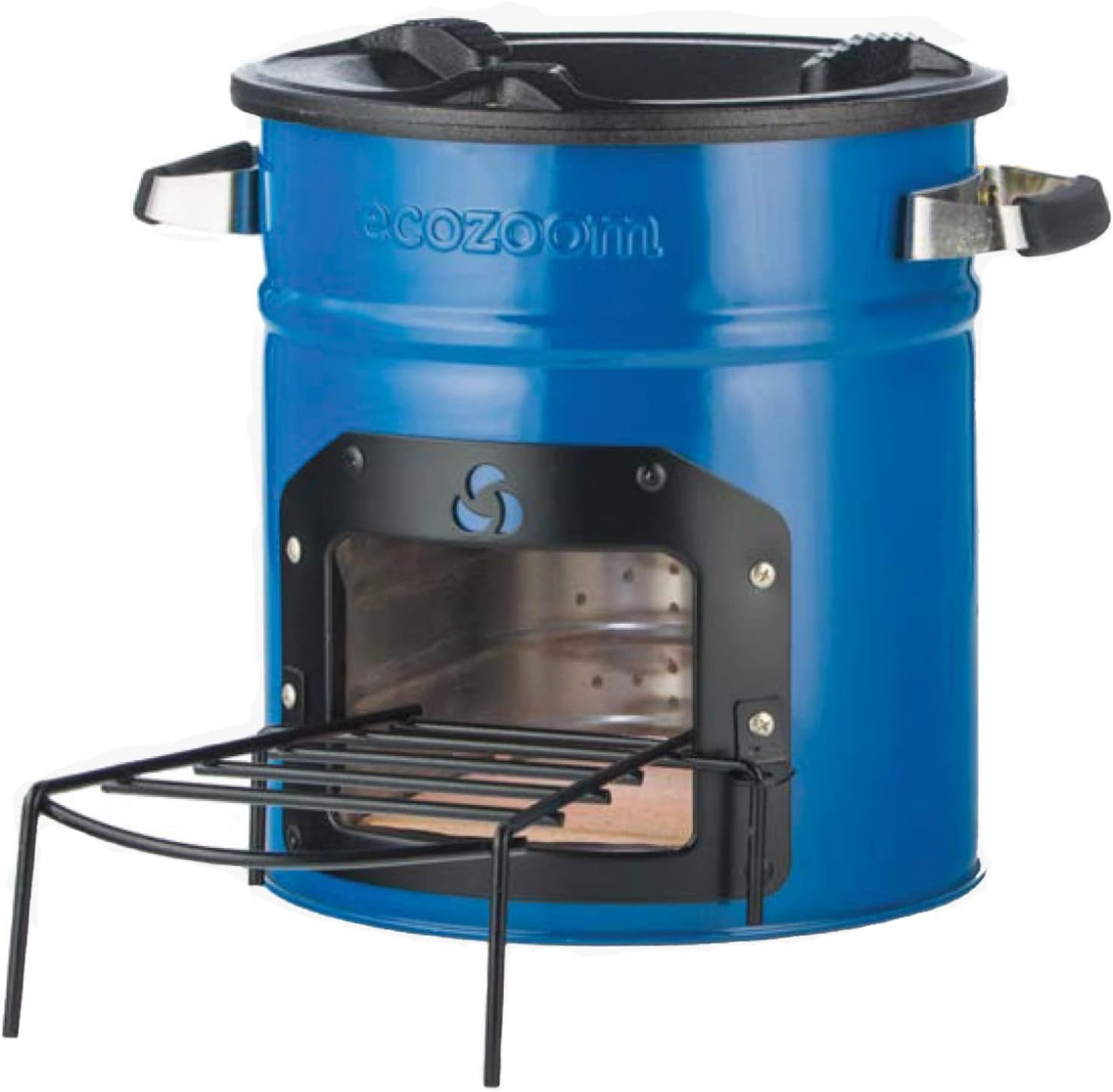
A small, efficient camping stove (used safely and in a ventilated area) or solar oven can reduce the need for electric cooking during an outage.
Step-by-Step: How to Build Your 2026 Energy-Ready Emergency Plan
If you are starting from scratch, the process can feel overwhelming. Breaking it down into clear steps makes it manageable and budget-friendly.
Step 1: Identify Your Critical Loads
Make a list of what must stay powered in an emergency:
- Phones, battery bank, and emergency radio
- Medical devices (CPAP, oxygen concentrators, insulin refrigeration, etc.)
- Basic lighting in key rooms
- Essential refrigeration (even partial)
- Work or communication tools if you must stay online
Write down approximate usage requirements in watts or watt-hours where possible (product labels and manuals can help).
Step 2: Decide on Your Time Horizon
Ask yourself:
- How long do you realistically want to be able to operate without grid power—24 hours, 72 hours, a week?
- Do you live in an area where multi-day outages are common (e.g., wildfire-prone regions, ice-storm zones, or areas with frequent hurricanes or windstorms)?
Your answers will inform how much storage and solar capacity you need.
Step 3: Choose Scalable Equipment
Start with a modest but expandable setup:
- A foldable solar panel
- A mid-sized portable power station
- Several high-capacity USB power banks
- Rechargeable batteries and a charger
Over time, you can add more panels, a second battery unit, or specialized gear for medical needs. Look for systems that:
- Accept multiple charging inputs (solar, wall, vehicle)
- Offer pure sine wave output for sensitive electronics
- Have clear displays showing input, output, and remaining capacity
Step 4: Integrate Into Everyday Life
Gear that sits untouched in a closet for years is more likely to fail when you need it. Instead:
- Use your power banks and recharge them regularly.
- Take your solar panel camping or use it in the yard to top off devices.
- Learn how to connect, monitor, and manage your power station in normal conditions, so using it in a crisis feels familiar and easy.
This “everyday resilience” approach means your investment pays dividends even when the grid is up.
Step 5: Practice a “Lights-Out” Drill
Once or twice a year, simulate a 12–24 hour outage:
- Turn off nonessential breakers or simply agree not to use grid power for a set period.
- Run your essentials from your backup system.
- Take notes: What ran out first? What gear was confusing to use? Which devices drained your batteries fastest?
Use what you learn to fine-tune your setup: add more capacity, swap energy-hungry items for efficient alternatives, or adjust your priorities.

Eco-Friendly vs. Traditional Backup Power
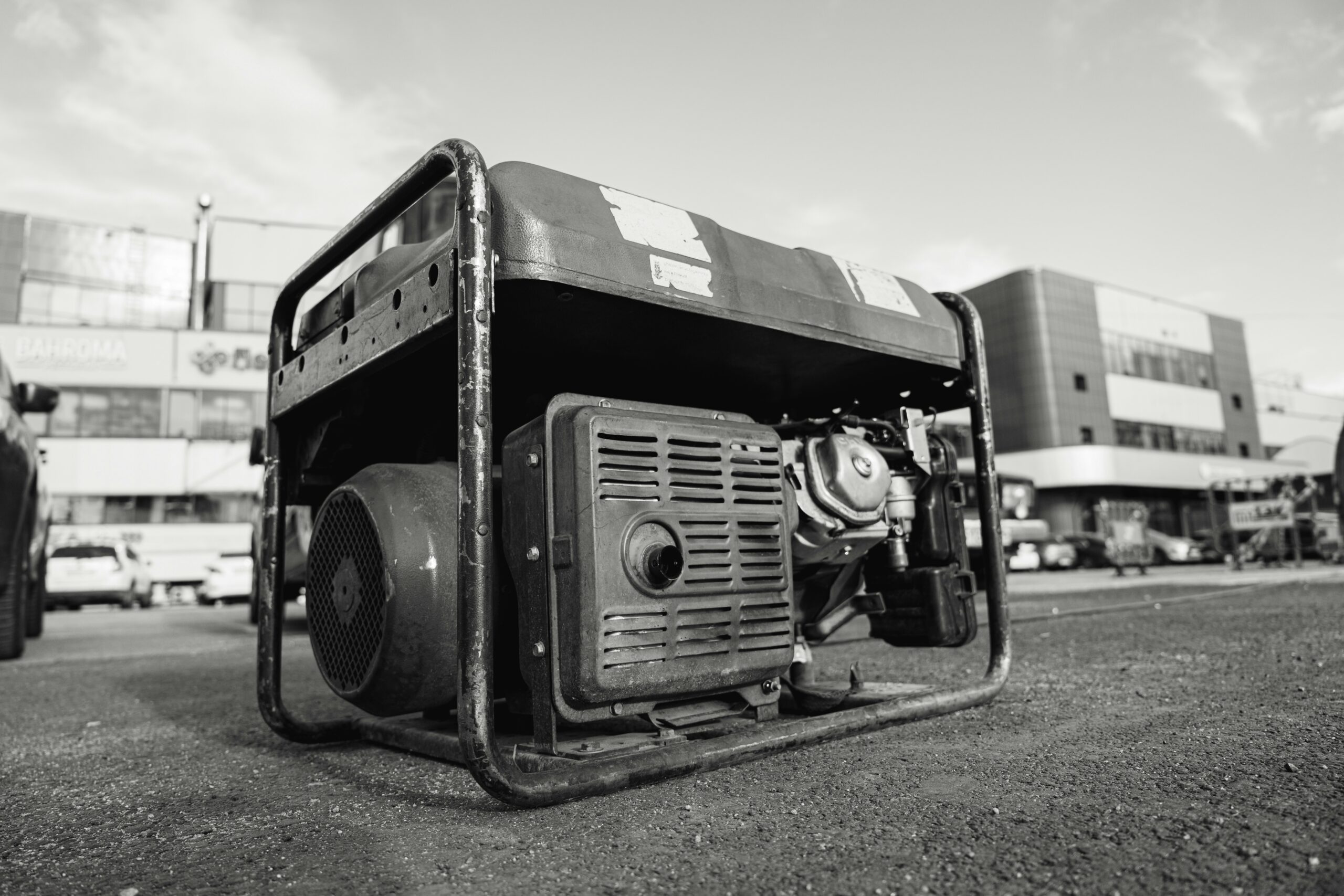
Many people still picture a loud, gasoline generator when they think of backup power. While generators can support heavy loads, they come with trade-offs: fuel storage, noise, emissions, and safety concerns (especially carbon monoxide).
For an eco-conscious household, a hybrid approach often makes sense:
| Aspect | Solar + Battery Systems | Traditional Fuel Generators |
|---|---|---|
| Emissions | Zero during use | Direct air pollution and CO risk |
| Noise | Very quiet | Loud, often disruptive |
| Fuel | Sunlight; no ongoing fuel purchases | Requires fuel storage and refilling |
| Maintenance | Low; periodic checks and charging | Regular maintenance, oil changes |
| Indoor use | Safe for indoor device charging | Never safe indoors |
| Scalability | Easy to expand with panels or batteries | Limited by generator size and fuel |
For many households, solar and battery systems are sufficient for core essentials. In more rural or extreme climates, a small generator may still be useful for heavy loads—but even then, solar plus storage can reduce fuel usage and emissions.
Special Considerations: Renters, Urban Dwellers, and Limited Space
Not everyone has a roof to install panels on or a garage to store bulky equipment. The good news is that modern preparedness gear is becoming more compact, modular, and renter-friendly.
If you rent or live in an apartment:
- Focus on portable solutions: foldable solar, compact stations, and power banks.
- Store gear under beds, in closets, or in modular bins that can double as go-kits.
- Consider a small balcony or window-led solar panel if your building and local codes allow it.
- Coordinate with neighbors or building management to identify safe shared spaces for charging and information sharing during outages.
Even a small kit can be life-changing in a prolonged blackout, especially in high-rise buildings where water pumps, elevators, and security systems may fail.
Community-Level Energy Resilience
Personal preparedness is powerful, but community-level planning multiplies its impact. Neighborhoods and local organizations can:
- Organize workshops on solar, battery safety, and emergency kits.
- Identify residents with medical needs that depend on electricity and plan for support.
- Create a shared charging hub using larger solar and battery systems that can support multiple households in a crisis.
- Encourage mutual aid, where people share resources, information, and skills during and after an emergency.
When more people have their own backup power, the entire community becomes more resilient, reducing strain on emergency responders and shelters.
How to Make Your Plan Truly “Ecolivable”
For a site like Ecolivable.com, energy independence is not just about survival; it is about doing so in a way that respects the planet and promotes long-term sustainability. To keep your emergency plan aligned with your values:
- Prioritize renewable solutions where possible.
- Choose durable, repairable gear instead of cheap, disposable gadgets.
- Opt for rechargeable batteries over single-use.
- Learn simple DIY maintenance so your equipment lasts for many years.
- When upgrading to more efficient everyday appliances and lighting, choose options that also perform well during outages (for example, low-wattage LED fixtures and Energy Star fridges that pair better with limited backup power).
This approach allows you to turn emergency preparedness into an extension of your existing sustainable lifestyle rather than a separate, consumption-heavy project.
Final Checklist: Your 2026 Energy Independence Starter Kit
Use this checklist to quickly assess where you are and what you might add:
- At least two high-capacity USB power banks
- A foldable solar charger or compact panel
- A portable power station sized to your critical needs
- Rechargeable AA/AAA batteries and charger
- LED flashlights and headlamps
- A battery- or crank-powered emergency radio
- A plan for critical medical devices (backup power and procedures)
- A “lights-out” drill scheduled at least once a year
- Clear, written instructions for family members on how to use all equipment
By building personal energy independence into your emergency preparedness strategy, you are not only protecting your household—you are also taking a meaningful step toward a more resilient, sustainable, and truly “ecolivable” future.