"Lodge Cast Iron Skillet: A Lifetime Pan, With Caveats"
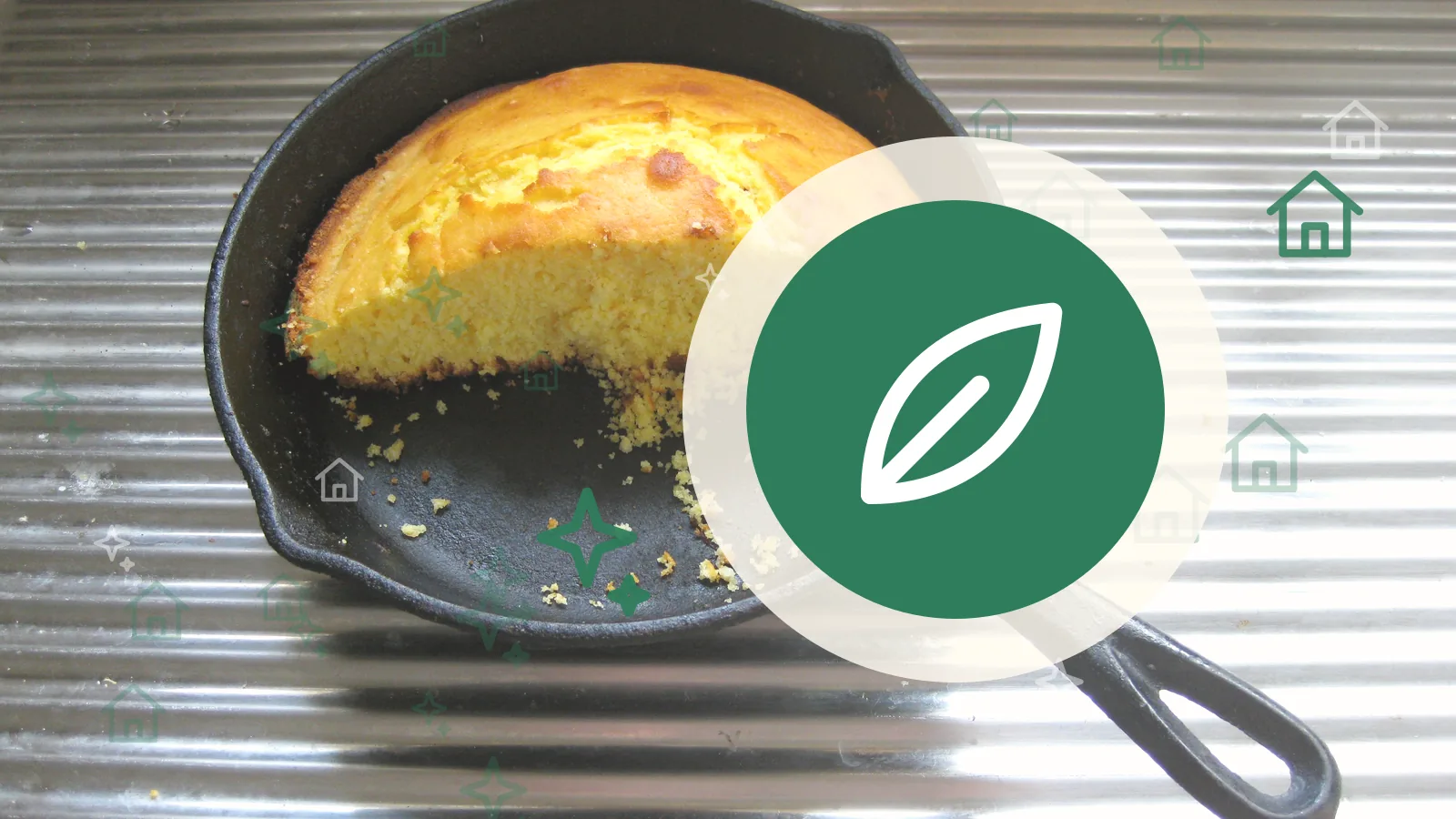
A good cast-iron skillet is one of the few kitchen tools that can honestly be described as a lifetime object. It does not need a nonstick coating, it moves from stove to oven without fuss, and it improves if you cook in it often. Lodge's 10.25-inch pre-seasoned skillet, made in South Pittsburg, Tennessee, is the version most American kitchens actually encounter, which is why it deserves a clear-eyed review rather than a romance.
This is a research-based look at a long-selling, highly rated pan, not a personal cook-off. Care advice follows the manufacturer's own guidance and well-established practice. If you already love carbon steel or a well-made stainless skillet, you do not need to be converted. If you want one heavy pan that can fry, roast, bake and last, this is a very strong candidate.
The short version
The 10.25-inch Lodge is a pre-seasoned, made-in-USA skillet in a useful everyday size. It works on gas, electric and induction, and it can go in the oven. It is heavier than a nonstick pan, it is not naturally "nonstick" on day one, and it will rust if it is left wet. People who will cook with it several times a week, and who do not mind a short care ritual, tend to keep these pans for decades. People who want a featherweight omelette pan, or who will soak it in the sink, will be happier with something else.
What the pan is, and is not
Lodge seasons the skillet at the factory with a vegetable oil baked onto the iron, so you can cook on it the day it arrives. That factory seasoning is a start, not a finished surface. Owner reviews and traditional practice agree: the pan gets better after a stretch of regular use, especially with oil-rich cooking, as long as it is dried thoroughly after each wash.
It is a solid piece of iron, so it holds heat and evens out some of the hot spots of a thin pan. It is also simply heavy. If wrist strength or a smaller stovetop is a concern, this is not the right format, and a smaller Lodge or a lighter carbon-steel pan may be kinder.
Because there is no chemical nonstick coating to wear through, there is nothing to flake into food and no reason to retire the pan after a few years of metal utensils. That is the sustainability case in one sentence: a pan you do not replace.
It is also a good companion to an induction burner. If you have been considering a portable induction cooktop, cast iron is one of the materials that works on those hobs, provided the base sits flat and the weight is acceptable.
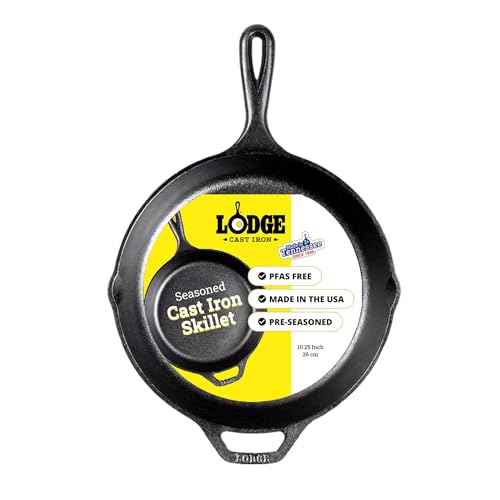
Lodge 10.25-Inch Pre-Seasoned Cast Iron Skillet
Lodge's classic 10.25-inch pre-seasoned skillet, made in South Pittsburg, Tennessee. A straightforward pan meant to be used often, cared for simply, and kept for a very long time.
Pros
- Pre-seasoned cast iron, made in the USA
- Works on gas, electric, induction and in the oven
- A widely used size for everyday cooking
Who it is for
- Home cooks who will actually use a skillet several times a week, for vegetables, eggs (once the surface has built up), cornbread, seared meat or a simple oven roast.
- Anyone trying to own fewer, better pans, including people working toward a more plastic-free kitchen.
- Cooks who like leftovers and one-pan meals, and who already think about wasting less food.
Who should skip it
- You want effortless nonstick from the first egg. A well-seasoned iron pan can release food beautifully, but it asks for heat control and a little fat. A modern nonstick skillet is more forgiving on day one.
- You need a light pan. This one is heavy. That is not a character flaw; it is the material.
- You will put it in the dishwasher or leave it to soak. Both are reliable ways to strip seasoning and invite rust. Lodge's own care notes are clear on this.
- You dislike the look or the maintenance ritual. A stainless skillet is a perfectly grown-up alternative.
Care, without the mythology
The useful habit is simple. Cook, then wash with a little warm water and a brush or a modest amount of mild soap if you need it. Lodge says a small amount of soap is fine. Dry the pan completely, on a low burner if you like, and wipe a very thin film of oil on the warm surface. That is the whole religion.
Avoid long soaks, the dishwasher, and storing the pan damp. If rust appears, it is usually reversible: a scrub, a dry, and a fresh thin layer of oil, then a little more cooking. For everyday residue, a simple kitchen paste from pantry ingredients is plenty; you do not need a specialty cleaner to keep iron in good shape.
A 10.25-inch skillet is a generous single-pan size for two people and a tight squeeze for a very large family meal. That is a reason to love it, or a reason to look at Lodge's larger skillets, not a reason to skip cast iron altogether.
Frequently Asked Questions
Do I have to avoid soap?
No. A little mild soap is compatible with modern seasoning, according to Lodge. The real enemies are long soaks, the dishwasher, and putting the pan away wet.
Can I cook acidic foods like tomato sauce in it?
Yes, occasionally. Very long, very acidic simmers can wear at a young seasoning and may pick up a faint metallic taste. A well-established pan handles a short tomato cook without drama.
Is a pre-seasoned pan ready to use?
Yes, with a rinse and a dry first. It will still improve with use. You do not need a complicated oven-seasoning ritual before the first grilled cheese, unless you enjoy that sort of project.
Will it work on a glass-top or induction stove?
Cast iron works on induction and can be used on glass-top ranges if you set it down gently and avoid dragging it, which can scratch the glass. If your cooktop is easily scuffed, a thinner, smoother-bottomed pan may be the quieter neighbor.